

Your Support Means the World: Help Fuel My Passion for Nature Photography
As a nature and wildlife photographer, my mission has always been to capture the raw, untouched beauty of the natural world—moments that inspire wonder and
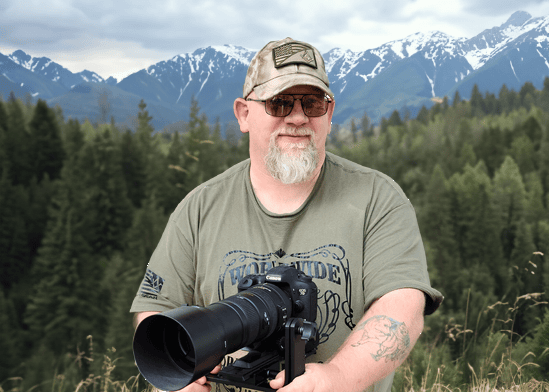


As a nature and wildlife photographer, my mission has always been to capture the raw, untouched beauty of the natural world—moments that inspire wonder and
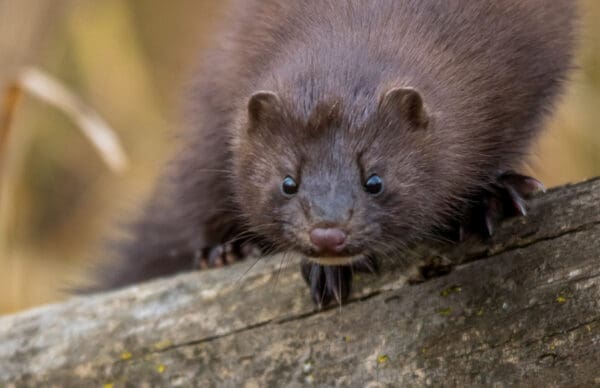
Exploring the American Mink: Nature’s Sleek Predator The American Mink, scientifically known as Neovison vison, is a fascinating creature that inhabits a diverse range of
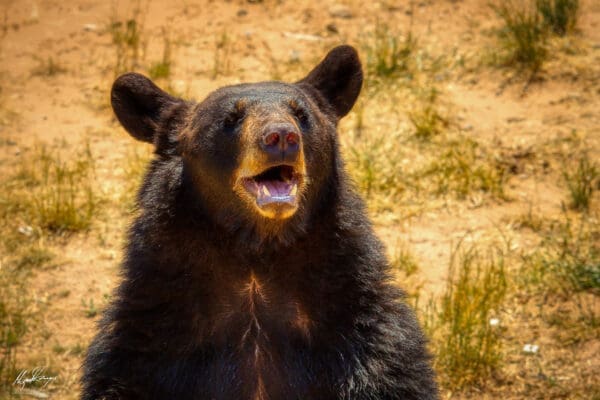
Getting Ready for a Wildlife Photography Workshop: Essential Gear and Key Concepts Participating in a wildlife photography workshop offers an incredible opportunity to capture animals
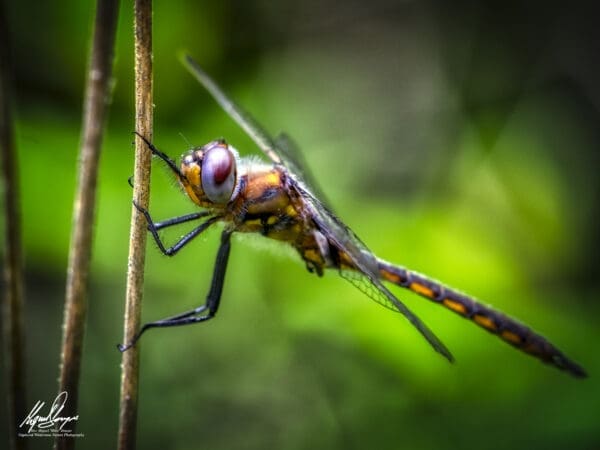
Getting Ready for a Macro Insect and Wildflower Photography Workshop: Essential Gear and Key Concepts Joining a macro insect and wildflower photography workshop is a
There’s something magical about capturing the untamed beauty of the natural world. Whether it’s the silent flight of an owl, the shimmer of morning dew
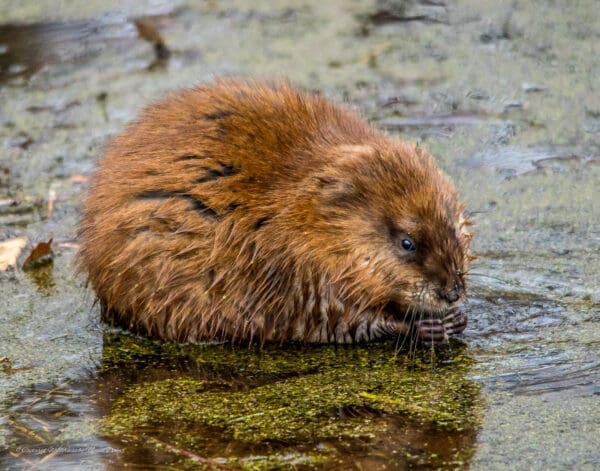
Muskrats, often overlooked amid the flashier wildlife spectacles, play a crucial yet understated role in their aquatic ecosystems. These medium-sized rodents, known scientifically as Ondatra
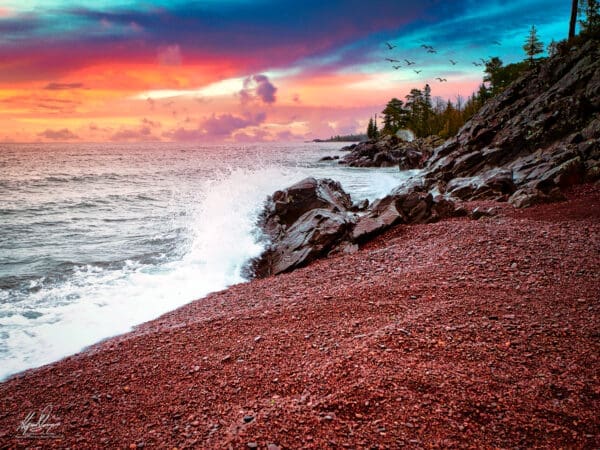
Embarking on a Landscape Photography Workshop: Essential Gear and Key Concepts Participating in a landscape photography workshop is an exciting opportunity to capture the beauty
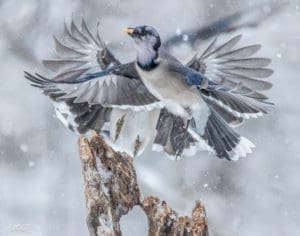
Discovering the Blue Jay: A Vibrant Icon of North American Wildlife The Blue Jay (Cyanocitta cristata) is one of North America’s most striking and easily
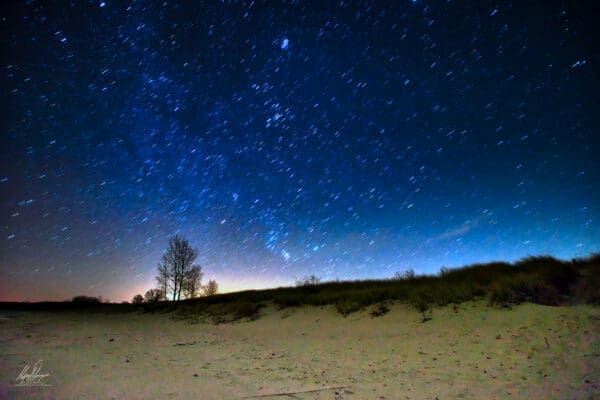
Capturing the Cosmos: Essential Gear for Night Sky Photography Embarking on a night sky photography workshop is a thrilling adventure that offers the chance to
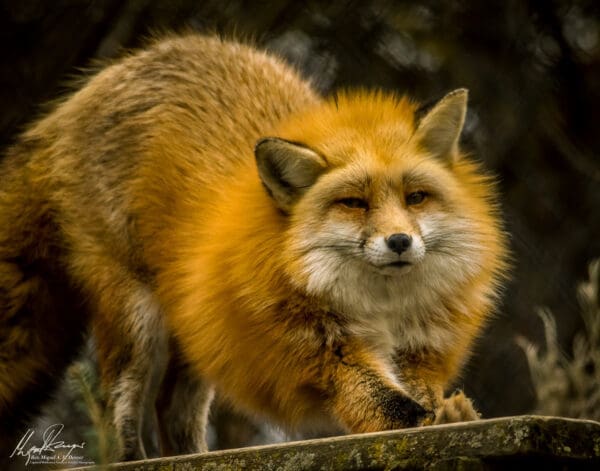
The Red Fox: A Versatile and Adaptive Predator The Red Fox (Vulpes vulpes) is one of the most widely distributed and adaptable carnivores in the

Exciting news for our valued customers at Captured Wilderness Photography! We are pleased to announce that we now accept AfterPay™ as a payment option. This
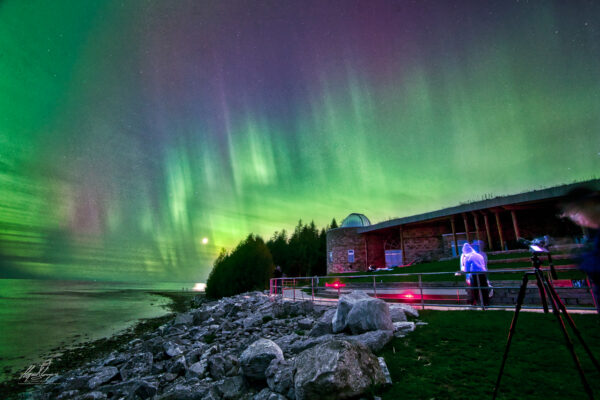
Hello Nature Enthusiasts and Wildlife Aficionados! Imagine starting your day with the serene sight of a waterfall cascading down a mountainside, or ending it with