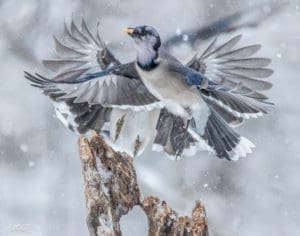

Wildlife Notes – Blue Jay
Discovering the Blue Jay: A Vibrant Icon of North American Wildlife The Blue Jay (Cyanocitta cristata) is one of North America’s most striking and easily


Discovering the Blue Jay: A Vibrant Icon of North American Wildlife The Blue Jay (Cyanocitta cristata) is one of North America’s most striking and easily
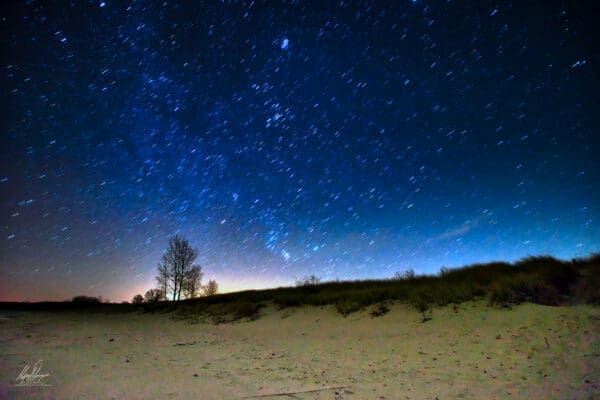
Capturing the Cosmos: Essential Gear for Night Sky Photography Embarking on a night sky photography workshop is a thrilling adventure that offers the chance to
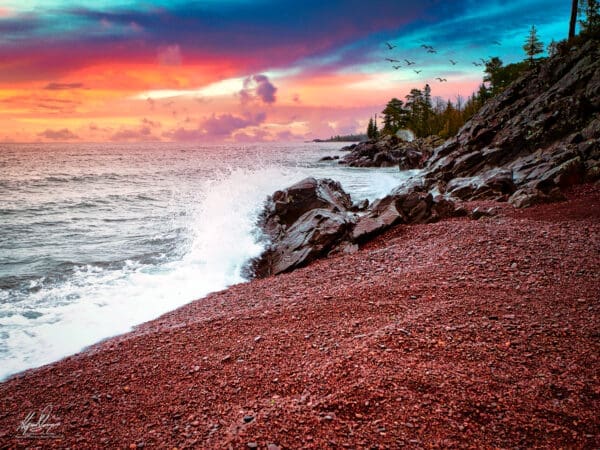
Embarking on a Landscape Photography Workshop: Essential Gear and Key Concepts Participating in a landscape photography workshop is an exciting opportunity to capture the beauty

Navigating the Process of Purchasing Prints from Captured Wilderness Photography Imagine capturing the essence of a breathtaking landscape and bringing it into your home as
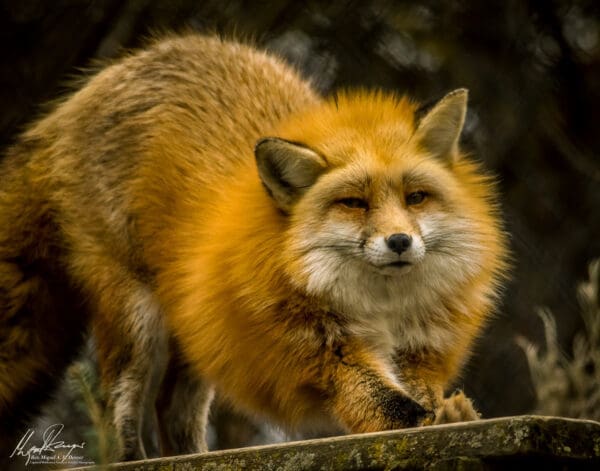
The Red Fox: A Versatile and Adaptive Predator The Red Fox (Vulpes vulpes) is one of the most widely distributed and adaptable carnivores in the
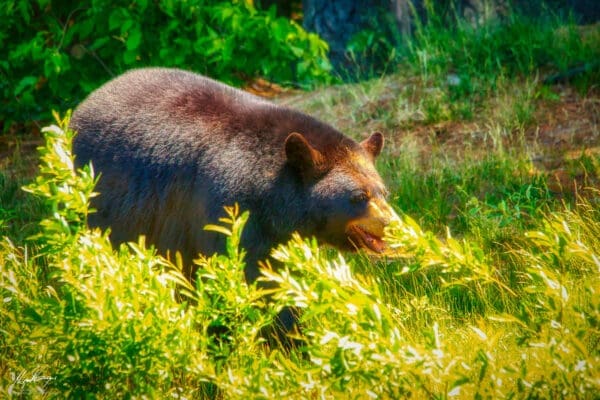
The Black Bear: An Icon of North American Wilderness The Black Bear (Ursus americanus) is one of North America’s most familiar and adaptable large mammals,
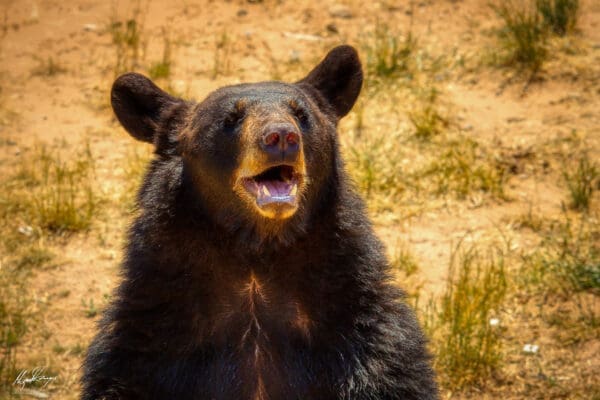
Getting Ready for a Wildlife Photography Workshop: Essential Gear and Key Concepts Participating in a wildlife photography workshop offers an incredible opportunity to capture animals
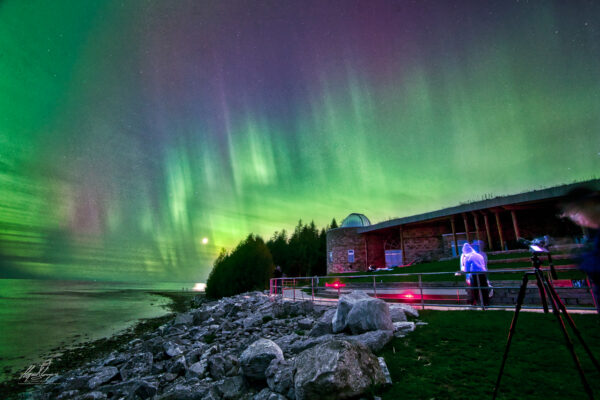
Hello Nature Enthusiasts and Wildlife Aficionados! Imagine starting your day with the serene sight of a waterfall cascading down a mountainside, or ending it with
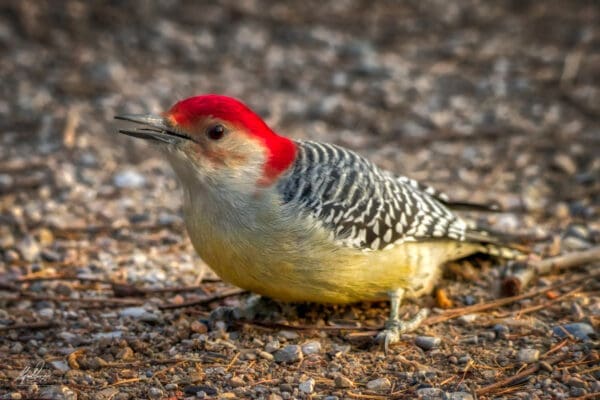
The Red-Bellied Woodpecker known scientifically as Melanerpes carolinus, a vibrant and vocal inhabitant of wooded areas across the eastern United States, is easily recognized by
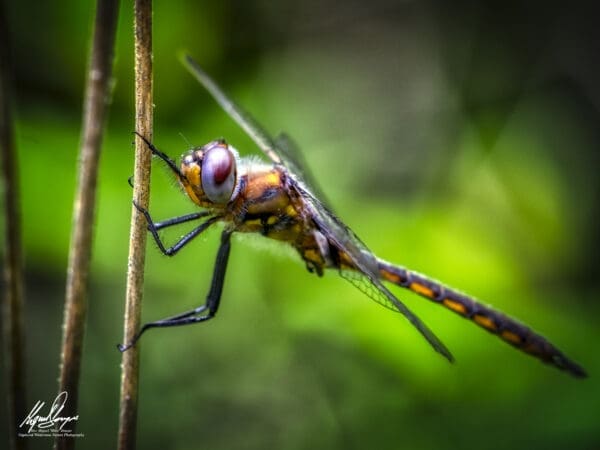
Getting Ready for a Macro Insect and Wildflower Photography Workshop: Essential Gear and Key Concepts Joining a macro insect and wildflower photography workshop is a
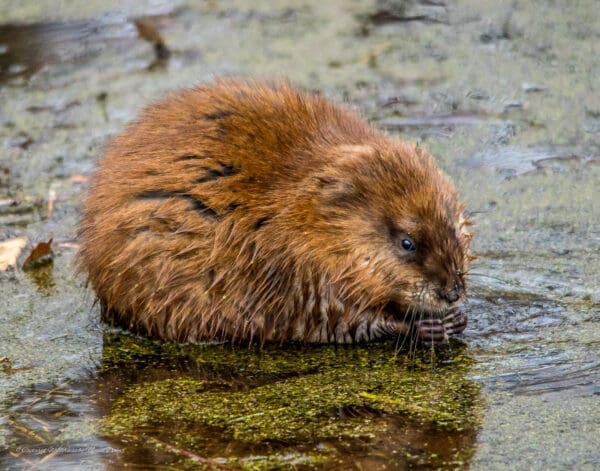
Muskrats, often overlooked amid the flashier wildlife spectacles, play a crucial yet understated role in their aquatic ecosystems. These medium-sized rodents, known scientifically as Ondatra

Exciting news for our valued customers at Captured Wilderness Photography! We are pleased to announce that we now accept AfterPay™ as a payment option. This