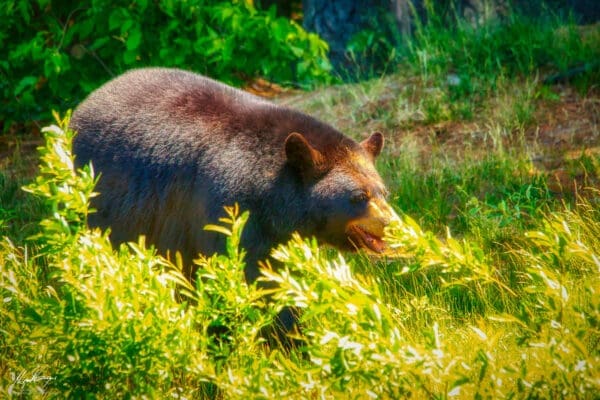

Wildlife Notes – Black Bear
The Black Bear: An Icon of North American Wilderness The Black Bear (Ursus americanus) is one of North America’s most familiar and adaptable large mammals,


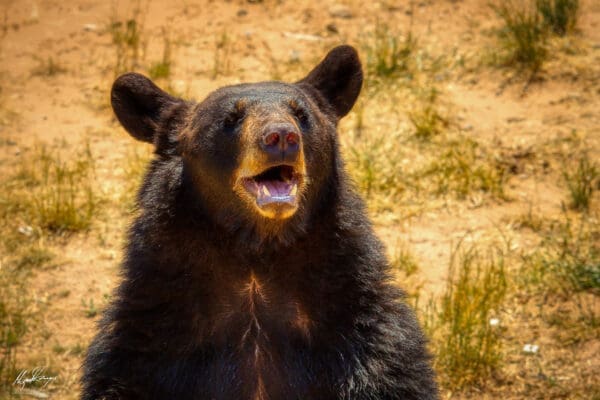
The Black Bear: An Icon of North American Wilderness The Black Bear (Ursus americanus) is one of North America’s most familiar and adaptable large mammals,
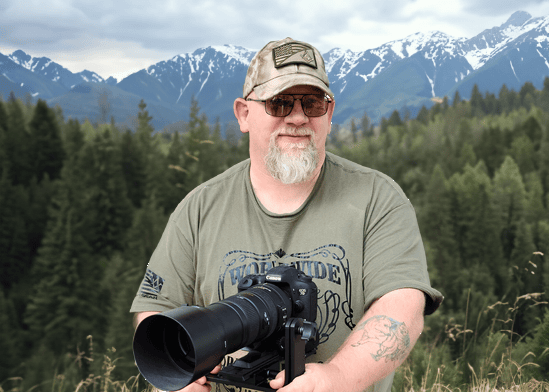
Getting Ready for a Wildlife Photography Workshop: Essential Gear and Key Concepts Participating in a wildlife photography workshop offers an incredible opportunity to capture animals
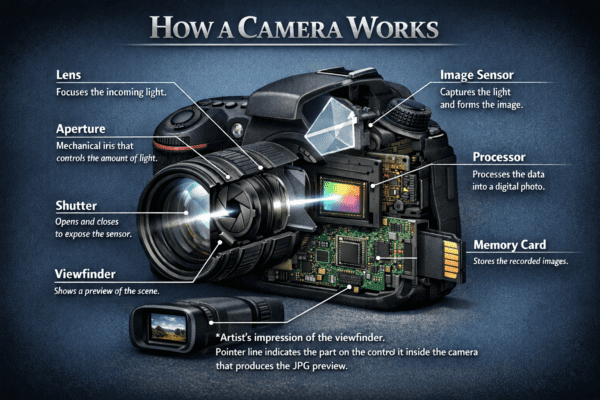
One of the most common questions I hear, especially from people new to photography, is deceptively simple: “What camera do you use?” It’s an understandable

Navigating the Process of Purchasing Prints from Captured Wilderness Photography Imagine capturing the essence of a breathtaking landscape and bringing it into your home as

Exciting news for our valued customers at Captured Wilderness Photography! We are pleased to announce that we now accept AfterPay™ as a payment option. This
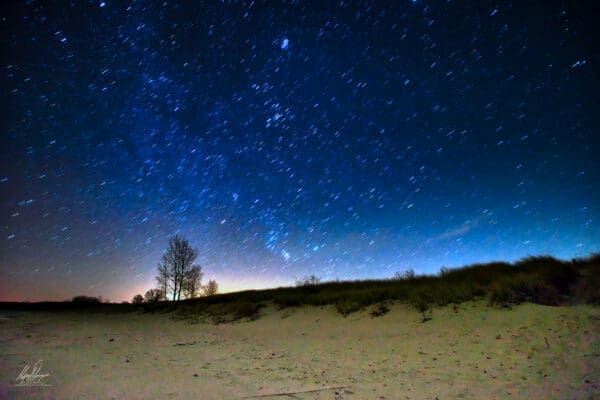
Capturing the Cosmos: Essential Gear for Night Sky Photography Embarking on a night sky photography workshop is a thrilling adventure that offers the chance to
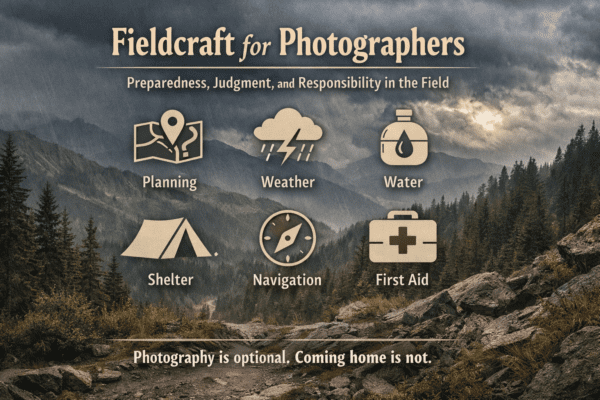
Most people come to nature and wildlife photography for the images.
That makes sense. Cameras, lenses, light, and timing are what draw people in. But photography outdoors does not happen in a controlled environment, and that reality is rarely addressed in any meaningful way.
Weather changes.
Trails are longer than they look.
Light fades faster than expected.
Batteries die.
Bodies get tired.
Judgment slips.
Over the years, I’ve come to believe that teaching photography without addressing these realities does people a disservice. That belief is why Fieldcraft for Photographers is now a formal and mandatory part of my in-person workshops.
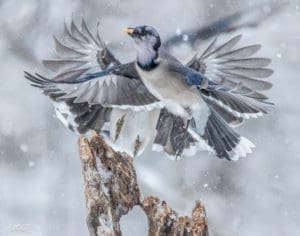
Discovering the Blue Jay: A Vibrant Icon of North American Wildlife The Blue Jay (Cyanocitta cristata) is one of North America’s most striking and easily
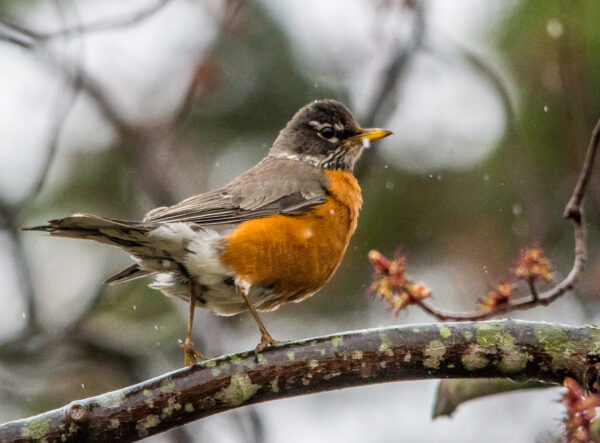
The American Robin is one of the most widely distributed and ecologically adaptable passerine birds in North America. A member of the thrush family (Turdidae), it occupies a broad range of habitats that include deciduous and mixed forests, woodland edges, agricultural land, suburban neighborhoods, and urban green spaces. Its success across such diverse environments is largely due to its flexible diet and behavioral adaptability.
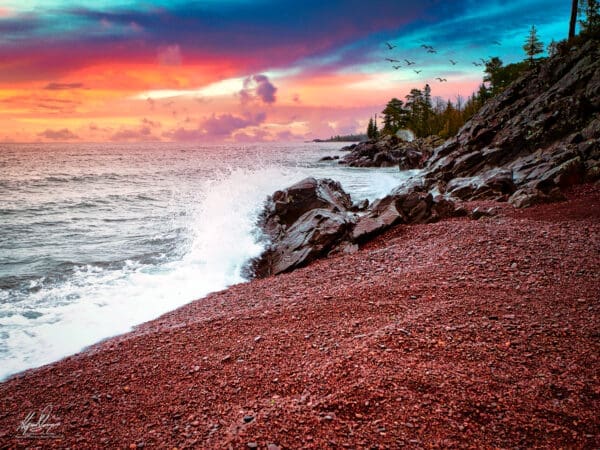
Embarking on a Landscape Photography Workshop: Essential Gear and Key Concepts Participating in a landscape photography workshop is an exciting opportunity to capture the beauty
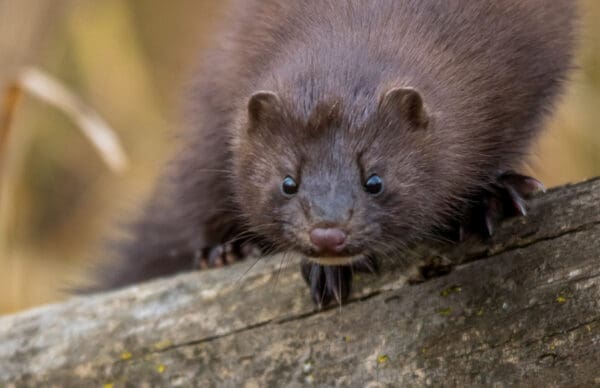
Exploring the American Mink: Nature’s Sleek Predator The American Mink, scientifically known as Neovison vison, is a fascinating creature that inhabits a diverse range of
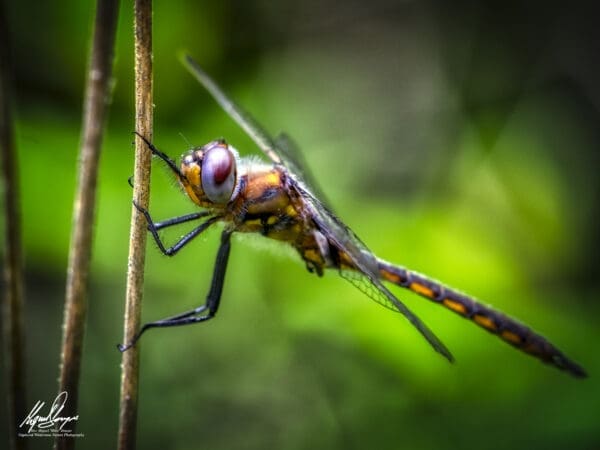
Getting Ready for a Macro Insect and Wildflower Photography Workshop: Essential Gear and Key Concepts Joining a macro insect and wildflower photography workshop is a